E
Explain Different types of renewable resources?
Renewable energy is energy derived from natural sources that are replenished at a higher rate than they are consumed. Sunlight and wind, for example, are such sources that are constantly being replenished. Renewable energy sources are plentiful and all around us.
Fossil fuels - coal, oil and gas - on the other hand, are non-renewable resources that take hundreds of millions of years to form. Fossil fuels, when burned to produce energy, cause harmful greenhouse gas emissions, such as carbon dioxide.
Generating renewable energy creates far lower emissions than burning fossil fuels. Transitioning from fossil fuels, which currently account for the lion’s share of emissions, to renewable energy is key to addressing the climate crisis.
Renewables are now cheaper in most countries, and generate three times more jobs than fossil fuels.
Here are a few common sources of renewable energy:

SOLAR ENERGY
Solar energy is the most abundant of all energy resources and can even be harnessed in cloudy weather. The rate at which solar energy is intercepted by the Earth is about 10,000 times greater than the rate at which humankind consumes energy.
Solar technologies can deliver heat, cooling, natural lighting, electricity, and fuels for a host of applications. Solar technologies convert sunlight into electrical energy either through photovoltaic panels or through mirrors that concentrate solar radiation.
Although not all countries are equally endowed with solar energy, a significant contribution to the energy mix from direct solar energy is possible for every country.
The cost of manufacturing solar panels has plummeted dramatically in the last decade, making them not only affordable but often the cheapest form of electricity. Solar panels have a lifespan of roughly 30 years, and come in variety of shades depending on the type of material used in manufacturing.

WIND ENERGY
Wind energy harnesses the kinetic energy of moving air by using large wind turbines located on land (onshore) or in sea- or freshwater (offshore). Wind energy has been used for millennia, but onshore and offshore wind energy technologies have evolved over the last few years to maximize the electricity produced - with taller turbines and larger rotor diameters.
Though average wind speeds vary considerably by location, the world’s technical potential for wind energy exceeds global electricity production, and ample potential exists in most regions of the world to enable significant wind energy deployment.
Many parts of the world have strong wind speeds, but the best locations for generating wind power are sometimes remote ones. Offshore wind power offers tremendous potential.
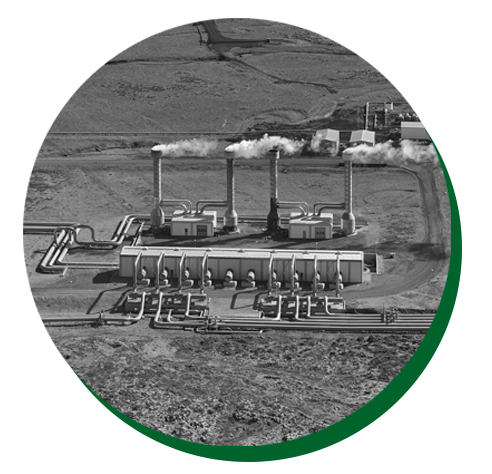
GEOTHERMAL ENERGY
Geothermal energy utilizes the accessible thermal energy from the Earth’s interior. Heat is extracted from geothermal reservoirs using wells or other means.
Reservoirs that are naturally sufficiently hot and permeable are called hydrothermal reservoirs, whereas reservoirs that are sufficiently hot but that are improved with hydraulic stimulation are called enhanced geothermal systems.
Once at the surface, fluids of various temperatures can be used to generate electricity. The technology for electricity generation from hydrothermal reservoirs is mature and reliable, and has been operating for more than 100 years.

HYDROPOWER
Hydropower harnesses the energy of water moving from higher to lower elevations. It can be generated from reservoirs and rivers. Reservoir hydropower plants rely on stored water in a reservoir, while run-of-river hydropower plants harness energy from the available flow of the river.
Hydropower reservoirs often have multiple uses - providing drinking water, water for irrigation, flood and drought control, navigation services, as well as energy supply.
Hydropower currently is the largest source of renewable energy in the electricity sector. It relies on generally stable rainfall patterns, and can be negatively impacted by climate-induced droughts or changes to ecosystems which impact rainfall patterns.
The infrastructure needed to create hydropower can also impact on ecosystems in adverse ways. For this reason, many consider small-scale hydro a more environmentally-friendly option, and especially suitable for communities in remote locations.

OCEAN ENERGY
Ocean energy derives from technologies that use the kinetic and thermal energy of seawater - waves or currents for instance - to produce electricity or heat.
Ocean energy systems are still at an early stage of development, with a number of prototype wave and tidal current devices being explored. The theoretical potential for ocean energy easily exceeds present human energy requirements.
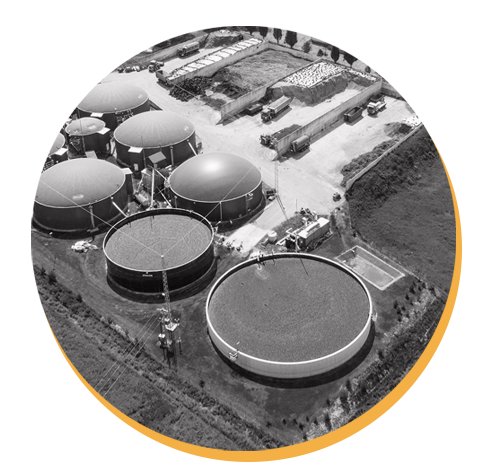
BIOENERGY
Bioenergy is produced from a variety of organic materials, called biomass, such as wood, charcoal, dung and other manures for heat and power production, and agricultural crops for liquid biofuels. Most biomass is used in rural areas for cooking, lighting and space heating, generally by poorer populations in developing countries.
Modern biomass systems include dedicated crops or trees, residues from agriculture and forestry, and various organic waste streams.
Energy created by burning biomass creates greenhouse gas emissions, but at lower levels than burning fossil fuels like coal, oil or gas. However, bioenergy should only be used in limited applications, given potential negative environmental impacts related to large-scale increases in forest and bioenergy plantations, and resulting deforestation and land-use change.
For more information on renewable sources of energy, please check out the following.
Renewable Resource: Definition, Considerations, and Examples
:max_bytes(150000):strip_icc():format(webp)/Renewable-resource-2c5367de2f4a4a98b1838a78f3ba6790.jpg)
Zoe Hansen / Investopedia
What Is a Renewable Resource?
A renewable resource is a resource that can be replenished naturally over time. As a result, it is sustainable despite its consumption by humankind.
Renewable resources for the production of energy are considered especially important for their potential to replace nonrenewable, or finite, resources. Additionally, renewable resources can offer cleaner energy solutions than those provided by nonrenewable resources such as coal and fossil fuels.
Examples of renewable resources include the sun, wind, water, the Earth’s heat (geothermal), and biomass.
KEY TAKEAWAYS
- The demand for renewable resources is increasing as the human population continues to grow.
- Energy created by renewable resources is considered virtually unlimited because of the ability of these resources to regenerate naturally.
- Renewable energy can lessen the strain on the limited supply of fossil fuels, which are considered nonrenewable resources.
- Using renewable resources on a large scale is costly, and more research is needed to make them cost-effective.
- Regardless of the renewable nature of some resources, conservation efforts are important, e.g., where water is concerned.
Understanding Renewable Resources
A renewable resource is a resource of which there is a seemingly endless supply because it can be replenished. For example, renewable resources such as the sun, the wind, and geothermal heat are considered inexhaustible.
Water is also considered a renewable natural resource, as long as there is precipitation. Changing climate patterns have underscored the need for conservation efforts to protect water supplies.
Other natural resources are considered renewable even though some time and effort must go into their renewal. In addition, most precious metals are considered renewable because they’re reusable. Since they are not destroyed during their extraction and use, they can be recycled.
Unlike renewable resources, once a nonrenewable resource is depleted, it cannot be recovered. As the human population continues to grow and finite resources become increasingly scarce, the demand for renewable resources increases.
FAST FACT
Renewable energy sources include wind power, solar power, hydroelectric power, bioenergy, and geothermal energy.
Renewable Resources Used for Energy
Fossil fuels have been used since the late 1880s to produce the energy we use. Renewable resources such as hydropower and wood have been used much longer. In fact, they were the two primary renewable energy resources up to the 1990s.
In the years since, renewable energy production has come increasingly from biomass, geothermal, solar, water, and wind resources.
Renewable resources that can replace fossil fuels in the production of energy are a major focus of nations around the world. The challenges for successful renewable energy production include reliability and expense.
A great deal of research is taking place to determine the viability and best implementation of renewable energy on a mass scale.
IMPORTANT
The Paris Climate Accord is an agreement involving over 180 countries to reduce greenhouse gas emissions and limit the global temperature increase to less than two degrees Celsius (3.6 degrees Fahrenheit) above preindustrial levels by the year 2100. On Jan. 20, 2021, then-President Joe Biden signed an executive order for the United States to rejoin the Paris Agreement after Donald Trump’s first presidential administration withdrew from it on Nov. 4, 2020.1 Trump returned to office in January 2025 and withdrew the U.S. from the Paris Agreement again.2
Examples of Renewable Resources
Sun
Sunlight is a widely recognized renewable resource. In fact, it has been used throughout human history to warm shelters, dry and cook foods, and heat water. Different technologies exist and continue to be developed to collect and convert solar radiation into heat energy that can be used for various purposes.
For example, solar photovoltaic (PV) devices, or solar cells, change sunlight into electricity. Depending on the number of solar cells in use, they can power small appliances or provide electricity for many homes.
The challenge with using sunlight for our energy needs is that it can vary and, at times, be unreliable. The availability of sunlight depends on the time of day, existing weather conditions, season of the year, and geographic location.3
Wind
Wind has a direct relationship to the sun. Daily winds result when the sun’s heat is captured unevenly by the varying surfaces on the Earth, including oceans and other water masses. Air above land heats up faster than air above water during the day when the sun is shining. That warm air expands and rises. Cooler air takes its place. This creates wind.
In earlier years, windmills were used across the United States to capture energy and pump water from wells. They still exist in some farming areas to provide livestock with water.4
Today, wind is harnessed to produce electricity. Wind flows over blades in wind turbines. The blades turn, and that drives an electric generator. In turn, that generates electricity.4
Typically, wind turbines don’t produce emissions capable of polluting the air or water. Also, they don’t need to be cooled by water. Though rare, they can have some negative effects on the environment if they leak lubricating fluids or catch fire. They can also negatively impact bird life and species.4
In 2023 (the most recent annual data available), wind turbines provided about 10.2% of total U.S. utility-scale electricity generation.5
Water
Hydropower is the energy produced by water. It was an early renewable source of energy even before it was used to generate electricity. For example, hydropower turned paddle wheels on rivers to allow for the milling of grain and lumber. However, changes in precipitation and lack of water due to droughts can affect hydropower production.
Hydropower was used to generate electricity in the U.S. beginning in 1880. Today, most of the nation’s hydroelectricity is produced in facilities located at large dams built in the 1970s.
Until 2019, hydropower was the largest source of total annual renewable electricity generation in the U.S.
In 2023 (the most recent annual data available), hydropower accounted for 5.7% of total utility-scale electricity generation.5
Geothermal
Geothermal is a renewable resource that uses Earth’s heat to generate power. Hot springs heated by the Earth have been used for centuries for bathing. Geothermal energy has also been used, and still is, for district heating systems.
Geothermal energy is used to generate electricity as well. Power plants for this purpose are built below ground, within approximately a mile of Earth’s surface.
Seven U.S. states had geothermal power plants as of February 2024: California, Hawaii, Idaho, Nevada, New Mexico, Oregon, and Utah. In 2023 (the most recent annual data available), they produced approximately 17 billion kilowatt-hours (kWh) of electricity.6
In 2023 (the most recent annual data available), geothermal accounted for about 0.4% of total U.S. utility-scale electricity generation.5
Geothermal heat pumps are another way to use Earth’s heat. They transfer heat from the ground (or water) into buildings during the winter and reverse the process in the summer to aid in heating and cooling.6
Biomass
Renewable organic products that produce energy are referred to as biomass. The process of photosynthesis uses energy from the sun to convert biomass resources into chemical energy.
In 2023 (the most recent annual data available), biomass provided nearly five quadrillion British thermal units (Btu) and about 5% of total primary energy use in the United States. In the same year, it accounted for about 1.1% of total U.S. utility-scale electricity generation.57
Biomass renewable resources include wood and wood waste, agricultural crops and waste (which are mainly used for biofuel), municipal waste including paper, cotton, food, and yard waste, and animal manure and sewage.8
Biofuel refers to liquid fuels and blending components produced from feedstock biomass materials. Most biofuels are used as transportation fuels, but they may also be used for heating and electricity generation. This renewable resource has become more prevalent in recent years as an alternative to nonrenewable resources such as coal, oil, and natural gas.9
In January 2024, U.S. biofuels production capacity was about 24 billion gallons, an increase over the same period in 2023. In addition, the U.S. was a net exporter of biofuels. The fuel ethanol accounted for most of biofuel production and increased 2% in production capacity over 2023.1011
Although prices are still high for biofuel, some experts project that as the prices of fossil fuels increase, the price of biofuel will become more competitive.
Renewable Resources vs. Nonrenewable Resources
Renewable Resources
Renewable resources are those resources that can continue to exist despite being consumed or can replenish themselves over a period of time even as they are used. They include sun, wind, water, geothermal, and biomass.
The disadvantage of renewable resources is that they may not be available for use when needed.
For example, the ability to collect and use solar energy is limited at night and when the sky is overcast. The continued availability of water depends on ongoing precipitation and weather conditions.
Renewable resources are considered to have less of a negative impact on the environment than nonrenewable resources.
Nonrenewable Resources
Nonrenewable resources are those resources that are considered finite due to the extremely long time it takes for nature to create them. Once depleted, they become unavailable. They include coal, natural gas, and oil.
The advantage of nonrenewable resources is that they’re readily available now and the infrastructure for their use exists to produce power on demand.
However, they have a greater negative environmental impact than renewable resources. The heat trapped by carbon dioxide gas when coal and oil are burned contributes to the atmosphere’s rising temperature and global climate change.
Activists, consumers, and government leaders promote renewable energy as a way to generate needed power without the emissions that are warming the planet and threatening life on Earth.
FAST FACT
The COVID-19 pandemic supported the trend toward lower fossil fuel prices due to record-low consumption in 2020.12 However, with the outbreak of the Ukraine-Russia war in early 2022, the price of oil skyrocketed and remained high going into 2024 before falling.1314
Special Considerations
A Global Trend Toward Renewable Resources
Renewable resources have become a focal point of the environmental movement, both politically and economically. Energy obtained from renewable resources puts much less strain on the limited supply of fossil fuels, which are nonrenewable resources.
The problem with using renewable resources on a large scale is that they are costly. In most cases, more research is needed to determine how to use them most cost-effectively.
Beyond their limited supply, energy sources such as fossil fuels damage the environment when produced and consumed, and they contribute to global warming.
The first major international accord to curb carbon dioxide emissions and global warming was the Kyoto Protocol, signed in 1997.15 More recently, global powers met in Paris in 2015 to pledge emissions reductions and a focus on higher reliance on renewable resources for energy.16
Incentives for Use
Incentives can encourage the use of alternative energy. For example, energy taxes place a surcharge on fossil fuels. This can make the prices of renewable resources more competitive and attractive. As a result, people may be more inclined to use renewable energy. Also, the reward of renewable energy certificates (RECs) acts as an incentive to produce energy using green sources.
Green funds, which are investments such as mutual funds, support eco-friendly and sustainable companies by investing in them. These investments also help to promote environmental awareness.
These incentives seem to be having an effect. According to the U.S. Energy Information Administration (EIA), in 2023 (the most recent annual data available), renewable energy provided almost 8.25 quadrillion British thermal units (Btu). This represented 9% of total U.S. energy consumption.17
In 2023 (the most recent annual data available), 21.4% of U.S. utility-scale electricity was generated by renewable energy sources.5
State and federal governments have encouraged more biofuel consumption with requirements and incentives for the use of renewable energy. The EIA anticipates that U.S. renewable energy consumption will continue to increase through 2050.17
What Does Renewable Resource Mean?
The term “renewable resource” refers to a resource that replenishes itself naturally over a span of time. It can be used without worry that it will be depleted permanently. Renewable resources are of particular interest as sources of renewable energy.
What Is an Example of a Renewable Resource?
The wind is one example. So are the sun and water. Biomass is a source of renewable energy from plants and animals. It includes wood, agricultural crops, food waste, and animal manure.
What Is Being Done to Encourage the Use of Renewable Resources?
Energy taxes place a surcharge on fossil fuels. The hope is that the prices of energy options produced by renewable resources will become more attractive and encourage consumer interest. Green mutual funds support eco-friendly and sustainable companies by investing in them and helping to promote environmental awareness.
What Is the Kyoto Protocol?
The Kyoto Protocol is an international agreement to reduce carbon dioxide (CO2) emissions and greenhouse gases (GHG) in the atmosphere. The essential tenet of the Kyoto Protocol is that industrialized nations need to lessen the amount of their CO2 emissions. The protocol was adopted in Kyoto, Japan, in 1997, when greenhouse gases were rapidly threatening our climate, life on Earth, and the planet itself.
It was followed by the Paris Climate Accord, a 2015 agreement involving over 180 countries to reduce GHG emissions and limit the global temperature increase to less than 2 degrees Celsius (3.6 degrees Fahrenheit) above preindustrial levels by the year 2100.
The Bottom Line
Renewable resources include the sun, the wind, water, Earth’s heat (geothermal), and biomass.
Renewable resources are natural resources that replenish themselves or exist on a continual basis. In recent years, they have been of special interest for the vital role they can play in the production of energy. They’re also seen as having less of a negative impact on the environment.
Of course, renewable resources were used for thousands of years before nonrenewable resources such as coal and oil began to be used extensively in the late 19th century.
Due to the finite nature of coal and oil, plus the threat from climate change, the world community is focused on the greater use of renewable resources to meet energy needs.
Comments
Post a Comment